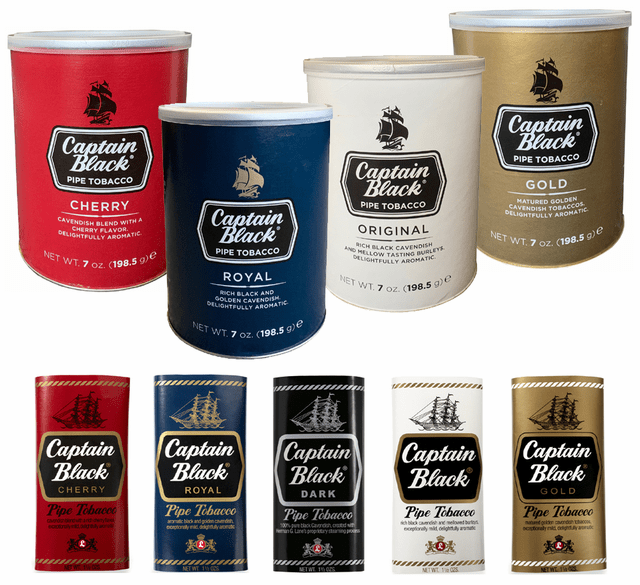
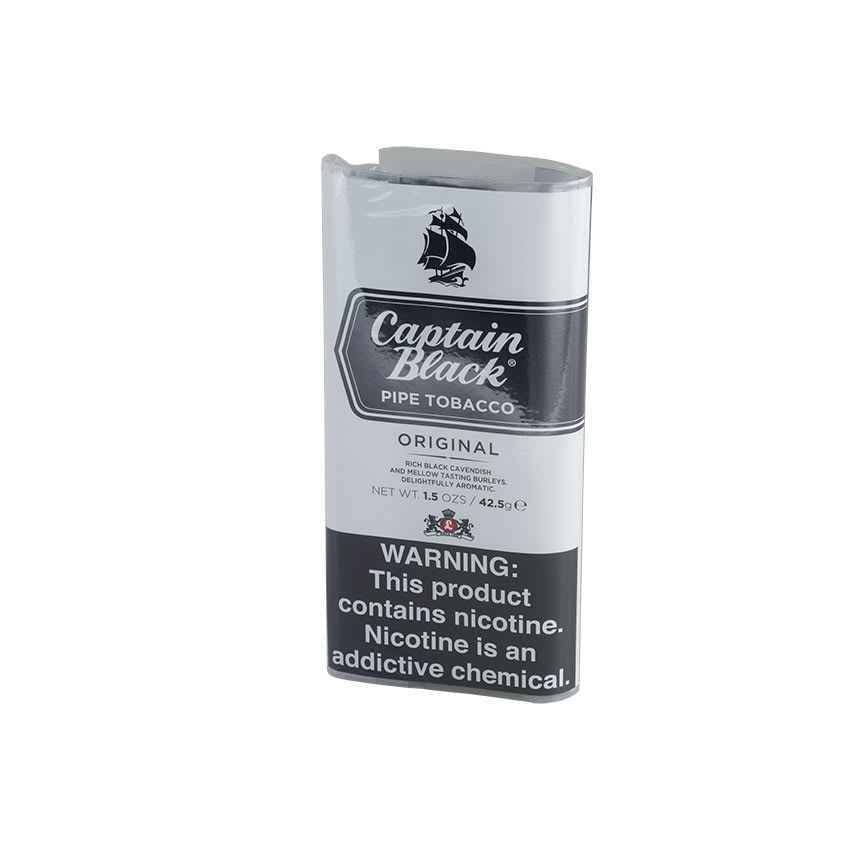
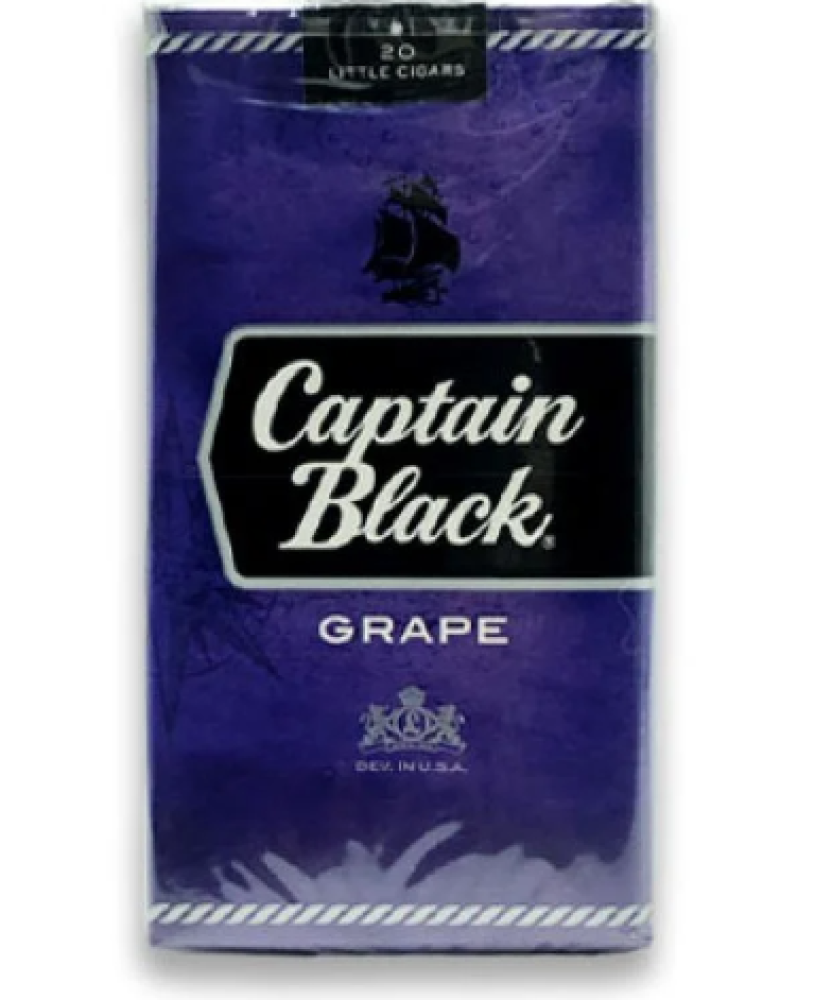
captain black grape pipe tobacco for sale Captain Black Grape ๐ | Page 6
Marsoni
M251S
Get it in 3 business days with 1 day shipping.
Friday, May 29
Tampa Nugget Cigars Sign C354 TinWorld Tobacco Signs Tinsign.com Nicotine Pouches Vs Chewing Tobacco The Clean Alternative Lone Pouches What a great way to celebrate Freedom with so many friends at this year's Sturgis Motorcycle Rally. Can't wait for next year! @jellyroll615 Philip Morris' Marlboro Brand Architecture Tobacco Tactics Curt Schilling reveals he was treated for mouth cancer The Boston Globe Chart: The Effects of Quitting Smoking Statista
Quick Dispatch:
Your captain black grape pipe tobacco for sale Captain Black Grape ๐ | Page 6 orders ship within 1-2 business days.
Delivery Options:
- Standard: 3-7 business days
- Fast: 2-3 business days
- Express: 1-2 business days
Order Tracking:
You'll receive a tracking link by email once your captain black grape pipe tobacco for sale Captain Black Grape ๐ | Page 6 ships.
Need Help?
Questions about captain black grape pipe tobacco for sale Captain Black Grape ๐ | Page 6, sizing, or delivery? We're just an email away.
Live Shipping Estimates:
Enter your location at checkout to see available shipping methods and costs for captain black grape pipe tobacco for sale Captain Black Grape ๐ | Page 6 in your area.
Get Shipping Estimates
Exchange/Return Notes
- We offer a 30-day return/exchange service after receiving.
- Final sale items are not eligible for returns or exchanges.
- To process your return/exchange, please contact us at [email protected]
- Please click here for more details>>> Return & Exchange Policy
You may also like
4.4 โ
โ
โ
โ
โ
Based on 1942 reviews
Sort
Product Reviews
โ
โ
โ
โ
โ
5
Exposing the Roots of Christian Nationalism
Format: eTextbook
Kevin M. Kruseโs One Nation Under God: How Corporate America Invented Christian America dismantles the enduring myth that the United States was founded as a โChristian nation.โ Instead, Kruse demonstrates how this identity was deliberately constructed in the midโ20th century as a political strategy. Beginning in the 1930s, business leaders alarmed by Franklin D. Rooseveltโs New Deal sought to counter what they perceived as government โslavery.โ To resist these reforms, they partnered with clergy and promoted the idea of โfreedom under God,โ blending economic resistance with religious appeal.
This alliance reached its zenith during Dwight Eisenhowerโs presidency. Eisenhower expanded religionโs role in public life, inaugurating the National Prayer Breakfast, adding โunder Godโ to the Pledge of Allegiance, and making โIn God We Trustโ the official national motto. These initiatives reshaped American identity, fueling a surge in church membership and embedding religious language into civic rituals. The phrase โone nation under Godโ became a widely accepted marker of patriotism, crossing political and denominational lines.
Kruseโs central argument is that Christian nationalism was not inherited from the Founders but deliberately cultivated by corporate and political interests in the 20th century. By exposing its origins, he reveals how this โinvented traditionโ continues to shape and divide American politics today.
C.S. Lewis, in The Screwtape Letters, anticipated this danger with remarkable clarity. He warned that the gravest temptation is not outright disbelief but the subtle corruption of faithโwhen Christianity is treated as a means to another end rather than as an end in itself. Lewisโs insight resonates with Kruseโs account: both show how faith can be coโopted when believers confuse Godโs kingdom with Caesarโs.
History is important, but it is equally important that we do not allow bad history to repeatโor even to rhymeโwhen each stanza leads us further from God. Kruse provides the historical scaffolding, Lewis the theological discernment. Together they invite us to vigilance: to name the temptations of Christian nationalism, to resist its allure, and to anchor our communities in the truth that Godโs kingdom cannot be coโopted by worldly power.
WAS THIS REVIEW HELPFUL?YesReportShare
Reviewed in the United States on December 16, 2025
โ
โ
โ
โ
โ
4
Even-handed History of America's Religious Roots
Format: eTextbook
One Nation Under God: How Corporate America Invented Christian America by Kevin Kruse
โOne Nation Under God" is an even-handed book that makes the record clear on where Americaโs religious identity came from. Professor Kevin Kruse makes the compelling historical case that Americaโs religious identity had its roots in the domestic politics against Rooseveltโs New Deal of the 1930s and 1940s. This scholarly 386-page book includes eight chapters broken out into the following three parts: I. Creation, II. Consecration, and III. Conflict.
Positives:
1. Interesting and well-written book. Fair and respectful treatment.
2. A fascinating premise, how Corporate America invented a Christian America.
3. Kruse does not waste time in establishing his thesis for the book. โThis book argues, the postwar revolution in Americaโs religious identity had its roots not in the foreign policy panic of the 1950s but rather in the domestic politics of the 1930s and early 1940s.โ
4. The origins of the union of Christianity and capitalism. โAt First Congregational and elsewhere, the minister reached out warmly to the wealthy, assuring them that their worldly success was a sign of Godโs blessings and brushing off the criticism of clergymen who disagreed.โ
5. The anti-New Deal movement. โFor Fifield and his associates, the phrase โfreedom under Godโโin contrast with what they saw as oppression under the federal governmentโbecame an effective new rallying cry in the early 1950s.โ
6. The role that Billy Graham played in American politics. โAs the Washington crusade began in January 1952, Graham made clear his intent to influence national politics.โ
7. Itโs always interesting to read about the fathers of prominent politicians and religious leaders of today or recent past. See how many you find.
8. Political opportunism illustrated. โVereide recognized that the tensions of the Cold War could be exploited to win more converts to his cause.โ
9. A comprehensive look at the history of the National Day of Prayer. โIn an apparent nod to the previous yearโs โFreedom Under Godโ observance, which was set to be repeated in 1952, Truman selected the Fourth of July as the date for the first National Day of Prayer.โ
10. Eisenhower unlikely role as the spiritual leader of a nation. โEisenhowerโs relationship with the Freedoms Foundation ran back to its founding. In his first meeting with Belding in September 1948, he discovered that the ad man shared his belief that the free enterprise system was in desperate need of defense.โ โFOR EISENHOWER, THE โGOVERNMENT UNDER Godโ theme of the first prayer breakfast became a blueprint for his entire administration.โ
11. Key stats that show the influence of religion and politics. โThe decade and a half after the Second World War, however, saw a significant surge: the percentage claiming a church membership climbed to 57 percent in 1950 and then spiked to an all-time high of 69 percent at the end of the decade.โ
12. The drive to declare the United States as one based on the Bible. In God We Trust. โIn July 1953, the National Association of Evangelicals arranged to have Eisenhower, Nixon, and other high-ranking officials sign a statement declaring that the United States government was based on biblical principles.โ
13. Interesting tidbits about our founding fathers. โThe founding fathers had felt no need to acknowledge โthe law and authority of Jesus Christ,โ and neither had subsequent generations of American legislators.โ
14. A comprehensive look at the history of the Pledge of Allegiance. โTHE ORIGINAL PLEDGE OF ALLEGIANCE, much like the Constitution itself, did not acknowledge the existence of God. Its author, Francis Bellamy, a Baptist minister from Rome, New York, was a decidedly religious man, but when he wrote the pledge in the 1890s he described himself as something that would seem an oxymoron in Eisenhowerโs America: a โChristian socialistโ.โ
15. Interesting history on the need to create an illusion of historical accuracy.
16. Separation of church and state. โThe justice reached back to borrow a metaphor coined in a letter to his fellow Baptists in Danbury, Connecticut, two and a half centuries before. โIn the words of Jefferson,โ Black wrote, โthe clause against establishment of religion by laws was intended to erect โa wall of separation between church and state.โ โReligious liberty was essential, he told his wife, because โwhen one religion gets predominance, they immediately try to suppress the others.โ
17. A look at the quest for school prayer amendment. The tactics used by both sides. โThe issue is that agencies of government cannot avoid favoring one denomination and hurting another by the practical decisions that have to be made by government authority on what version of the Bible shall be imposed and what prayer. The churches know this and that is why they are against the Becker Amendment.โ
18. Prayers at the White House. โIn creating a โkind of sanctuaryโ in the East Room, Nixon committed the very sin the founders had sought to avoid.โ
19. Republicans use of religion for political gain. โMuch as Reagan used school prayer as a partisan issue, Bush used the pledge.โ
20. An excellent epilogue.
21. Notes included. A section of abbreviations.
Negatives:
1. Interesting but on the dry side. The book is scholarly but the author lacks flare.
2. Lacks conviction. The book feels more like a cold report than an engaging thesis.
3. Charts and timelines would have added value.
4. No formal bibliography.
5. At $14.92 for a Kindle book when the Hardcover was available for $15.70 at time of purchase may hurt some trees.
In summary, this is really a 3.5 star book but Iโm feeling generous. On the one hand, itโs an interesting topic that is covered in a fair and respectful manner while on the other hand it lacks panache. Kruse provides great insights into the evolution of the religious right and makes a compelling case of their true origins. A worthwhile book to read, I recommend it!
Further recommendations: โWhy the Religious Right Is Wrong about Separation of Church and Stateโ by Robert Boston, โNonbeliever Nationโ by David Niose, โThe Dark Side of Christian Historyโ by Helen Ellerbe, โBirth Control, Insurance Coverage, & the Religious Rightโ by A.F. Alexander, โThe God Argumentโ by A.C. Grayling, โFreethinkersโ by Susan Jacoby, โMoral Combatโ by Sikivu Hutchinson, โRepublican Gomorrahโ by Max Blumenthal, โAmerican Fascistsโ by Chris Hedges, โDoubtโ by Jennifer Michael Hecht, and โSociety Without Godโ by Phil Zuckerman.
WAS THIS REVIEW HELPFUL?YesReportShare
Reviewed in the United States on July 10, 2015
โ
โ
โ
โ
โ
5
A book from the real No Spin Zone
Format: eTextbook
Like so many others this book is about politics. What it is not - is another one of those research deficient screeds that are one percent fact and 99 percent fantasy pulled out of someone's behind. It is fully annotated, with references and a bibliography that is both impressive for its references and its sources. Every paragraph and every assertion is factcheckable. Names, dates and places are attached to the narrative leaving the debunkers little room to quibble.
It begins with the Election of DD Eisenhower in 1952 and describes, in an exhaustively researched narrative, how we have through the succeeding administrations erroneously come to believe that we are a Christian Nation instead of a Nation of Christians. The meticulousness of the references prevents it from being a page turner, but it is a fascinating read for those who believe the Conservatives have hijacked God and the Flag, but don't know how it happened. Kruse details the process and the players during the 63 years Americans have been turned from a more liberal secularism to a more conservative sectarianism.
Conservatives will not like the obvious conclusions to be drawn from "One Nation Under God", but they will find a lot to like in it. As I read certain passages I could almost hear them echoing, "THAT'S RIGHT" and "Of COURSE", not realizing they are affirming sectarianism and authoritarianism which are contrary to their reverently held Constitution. Liberals, who feel that the Conservatives have appropriated patriotism as their exclusive property, will find the facts to support their own Constitutional ideals.
I give it 5 stars for scholarliness, sticking to the facts, timeliness, historical veracity, and as a book that will become a valuable reference for future study.
WAS THIS REVIEW HELPFUL?YesReportShare
Reviewed in the United States on November 17, 2015
โ
โ
โ
โ
โ
5
One Nation Under God.....Divisible
Format: Hardcover
"How Corporate America invented Christian America" is a perfect subtitle to Kevin Kruse's excellent book, "One Nation Under God", for as the author discusses, this is what happened to our culture over the course of several decades. It's an eye-opener and he presents an offering full of depth and insight.
As Kruse reminds us in the epilogue, the source of America's becoming a "Christian" nation stems from the vitriol of those clergymen who opposed the New Deal. James Fifield and Abraham Vereide, two early proponents of this new America they sought, gave way to Billy Graham and Pat Robertson, who cemented the fact that God and the Republican party were joined at the hip.
A large part of the book deals with how U.S. presidents dealt with the issue. Dwight Eisenhower presided over the change in the Pledge of Allegiance to include, "One Nation under God" and that American currency now bore the phrase "In God We Trust". His chapters lay the necessary groundwork nicely for the two most revealing chapters, "Our So-Called Religious Leaders", which largely deal with efforts to pass a constitutional amendment requiring school prayer, and "Which Side Are You On?", an intense look at how shamelessly Richard Nixon and his administration publicy made God "their own".
While it is hard to imagine today the thousands of billboards and leaflets displayed in the manner that they were in the 1960s, the undercurrent of nastiness that exists to "promote" God remains. You can hear it in the Tea Party. What Kevin Kruse reminds us is that religion was, and still is, as divisive a force as any we have had in the past and have in America today.
WAS THIS REVIEW HELPFUL?YesReportShare
Reviewed in the United States on April 27, 2015
โ
โ
โ
โ
โ
5
How Corporate America created free-enterprise Jesus to undo the New Deal
This book tells the history of how corporate America have tried to undo New Deal reforms since the 1940s by creating a new free-enterprise religion, and to erode the separation of church and state.
Corporate Americaโs creation of a free-enterprise selfish Jesus began in 1935 with the founding of an organization called Spiritual Mobilization. Some of the corporations who donated money to this and similar organizations include: American Cyanamid and chemical corporation, Associated Refineries, AT&T, Bechtel Corporation, Caterpillar Tractor Company, Chevrolet, Chicago & Southern Airline, Chrysler corporation, Colgate-Palmolive Company, Deering-Milliken, Detroit Edison, Disney, DuPont, Eastern Airlines, General Electric, General Foods, General Motors, Goodwill, Goodyear Tire & Rubber, IBM, J. C. Penney, J. Walter Thompson, Mark A. Hanna, Marriott, Marshall Field, Monsanto Chemical Company, National Association of Manufacturers, Pacific Mutual Life Insurance, Paramount Pictures, PepsiCo, Precision Valve Corp, Quaker Oats, Republic Steel Corp, Richfield Oil Co., San Diego Gas & Electric, Schick Safety Razor, Standard Oil Company, Sun Oil company, Sun shipbuilding company, Union Carbide and Carbon Corporation, United Airlines, US Rubber company, US steel corporation, Utah Power & Light, Warner Bros. Pictures, Weyerhauser.
In the 1930s, corporations were well known to have brought on the Great Depression with their tremendous greed and dishonesty. The New Deal reformed the financial system, distributed wealth more evenly, provided a social safety net, protected the people by regulating businesses to protect them from unsafe and unhealthy food, drugs, and other products, toxic pollution, aided farmers in slowing soil erosion to prevent more dust bowls (and feed Americans for hundreds of years-- good topsoil is Americaโs most important treasure), and other public services that benefited everyone.
The New Deal embodied the ideals of the Social Gospel, a movement dedicated to the public good, economic equality, eradication of poverty, slums, child labor, an unclean environment, inadequate labor unions, poor schools, and war (Wiki Social Gospel).
Corporate America fought against these reforms and has been trying to undo the New Deal ever since then.
One of their most successful tactics was getting religious leaders to spout a new version of Jesus โ a free-enterprise, Ayn Rand, selfish Jesus and eradicate the Social Gospel Jesus of the New Deal.
At first ministers and people saw through since this propaganda was obviously craven corporate self-interest.
So the propaganda was crafted more subtly, and sold to conservative religious leaders. Congregations then listened to sermons about the free-enterprise Jesus with open hearts and minds, which they would have laughed at if the speaker were a CEO. The new religion taught them to hate unions, social welfare, to fear and hate government, to be against abortion and birth control (mainly because the more people there are, the less industries have to pay them). It was broadcast from conservative religious radio and TV stations, and in the secular world.
This is why you donโt have a chance of talking Uncle Bob out of voting for demagogues at the Thanksgiving table โ youโre attacking his religion and core beliefs heโs heard since his first sermon, and his brain shuts down in anger. Heโs been taught since he was a baby that he should hate and fear government, not corporations.
People like to say that capitalism is imperfect, but the best system that exists. Well, itโs great at raping, pillaging, and poisoning land, water, and air than any other system. Industrial farming is depleting aquifers and eroding and compacting top soil to the point where it wonโt produce much food after centuries rather than millennia. Global conventional oil production, where 90% of our oil comes from, peaked in 2005 (Aleklett et al. 2012; Kerr 2011; Murray 2012; Newby 2011; IEA 2010; Zittel et al. 2013), declining at a rate of 6% now and increasing to 9% by 2030 (Hook 2009). According to the Department of Energy, youโd want to prepare at least 20 years ahead of time for peak oil (Hirsch 2005), yet here we are 12 years after peak conventional oil, with both Democrats and Republicans assuming that endless growth on a finite planet will fix things. We donโt have endless energy, it turns out that earth is not a giant gas tank, and even if it were, exponential growth would drain it in centuries.
There isnโt a single endeavor that doesnโt depend on energy, especially supply chains, mining, logging, construction, and road building, which are done with heavy-duty trucks, which can only accomplish their work with diesel engines that burn only diesel (Friedemann 2015).
Since the social net is funded by an ever-expanding working population and growth, social security and Medicare are Ponzi schemes, as well as our financial system, which depends on growth to pay back debt. The corporations are about to get the death of the New Deal theyโve so wanted via the decline of our fossil-fueled civilization.
There is no political party that can fix this, so itโs time to strengthen your community to become more resilient, self-sufficient, and able to supply food and other essentials locally. To fix water and sewage infrastructure. Itโs time to embrace the social gospel and help community members less fortunate than you in the years ahead.
Aleklett, K., et al. 2012. Peeking at peak oil. Berlin: Springer.
Hook, M., et al. 2009. Giant oil field decline rates and their influence on world oil production. Energy Policy 37(6):2262โ2272.
Friedemann, A. 2015. When trucks stop running, Energy and the Future of Transportation. Springer.
Kerr, R. 2011. Peak oil production may already be here. Science 331:1510โ11.
Murray, J., et al. 2012. Oilโs tipping point has passed. Nature 481:43โ4.
Newby, J. 2011. Oil Crunch (Fatih Birol). Catalyst. ABC TV.
IEA. 2010. World energy outlook 2010, 116. International Energy Agency.
Zittel, W, et al. 2013. Fossil and nuclear fuels. Energy Watch Group.
WAS THIS REVIEW HELPFUL?YesReportShare
Reviewed in the United States on January 9, 2017