★★★★★ 5
I like it
Format: Paperback
In very good condition
WAS THIS REVIEW HELPFUL?YesReportShare
Reviewed in the United States on March 25, 2026



Quick Dispatch:
Your modere glp-1 🧡 Feeling snacky between meals? Meet Curb, a naturally flavoured dietary supplement designed to support your body's fullness signals and gut health, without stimulants. ✨ Featuring GlycoLemon™, Satiety-GLP™ and Metabiome Prebiotic™ technology, orders ship within 1-2 business days.
Delivery Options:
Order Tracking:
You'll receive a tracking link by email once your modere glp-1 🧡 Feeling snacky between meals? Meet Curb, a naturally flavoured dietary supplement designed to support your body's fullness signals and gut health, without stimulants. ✨ Featuring GlycoLemon™, Satiety-GLP™ and Metabiome Prebiotic™ technology, ships.
Need Help?
Questions about modere glp-1 🧡 Feeling snacky between meals? Meet Curb, a naturally flavoured dietary supplement designed to support your body's fullness signals and gut health, without stimulants. ✨ Featuring GlycoLemon™, Satiety-GLP™ and Metabiome Prebiotic™ technology,, sizing, or delivery? We're just an email away.
Live Shipping Estimates:
Enter your location at checkout to see available shipping methods and costs for modere glp-1 🧡 Feeling snacky between meals? Meet Curb, a naturally flavoured dietary supplement designed to support your body's fullness signals and gut health, without stimulants. ✨ Featuring GlycoLemon™, Satiety-GLP™ and Metabiome Prebiotic™ technology, in your area.
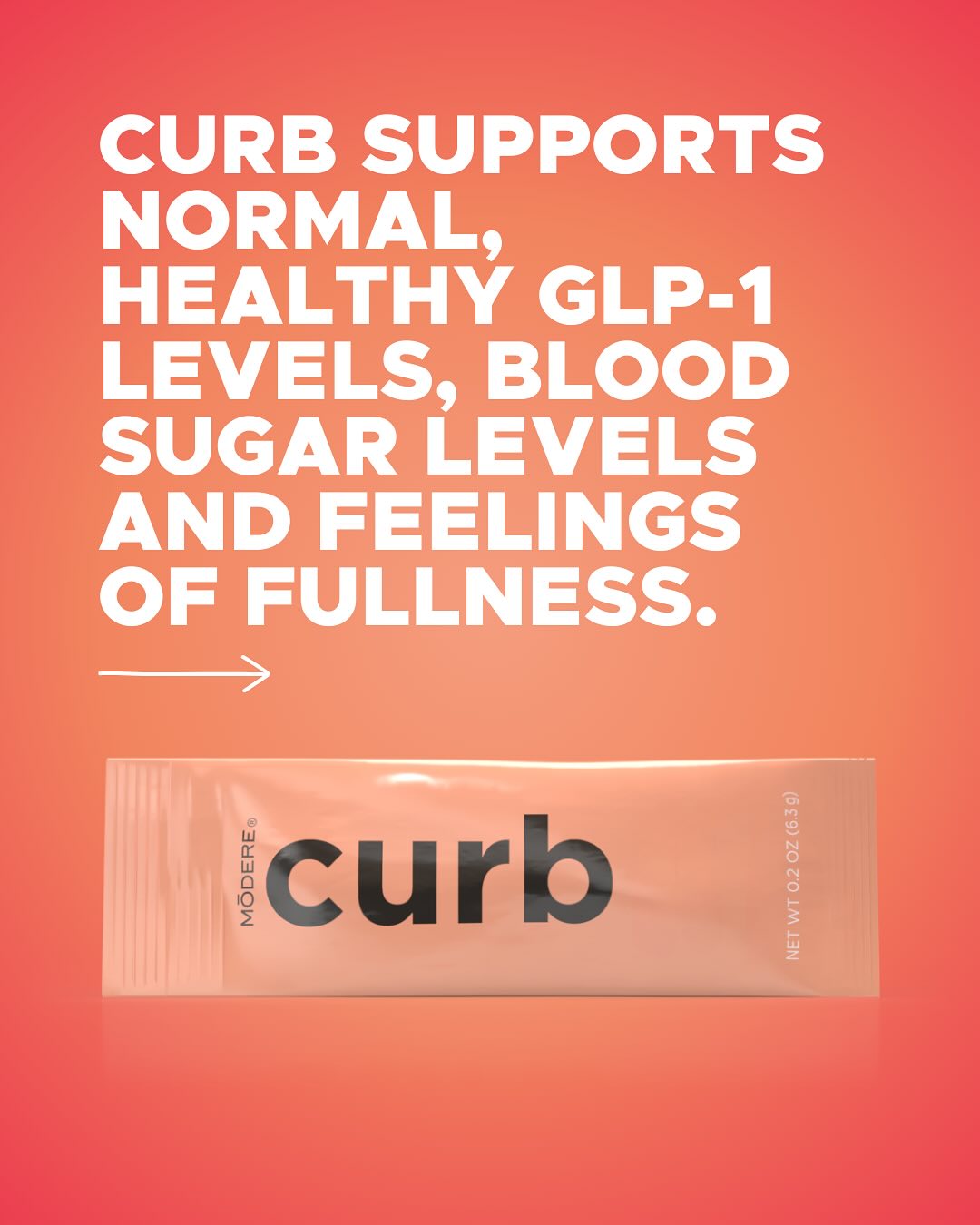
🧡 Feeling snacky between meals? Meet Curb, a naturally flavoured dietary supplement designed to support your body's fullness signals and gut health, without stimulants. ✨ Featuring GlycoLemon™, Satiety-GLP™ and Metabiome Prebiotic™ technology,
25.59

How to Support Natural GLP-1 for Healthy Weight Management
21.03

Modere Probiotic Stick Pack | Targeted Supplements | Modere
28.50

🧡 Feeling snacky between meals? Meet Curb, a naturally flavoured dietary supplement designed to support your body's fullness signals and gut health, without stimulants. ✨ Featuring GlycoLemon™, Satiety-GLP™ and Metabiome Prebiotic™ technology,
25.93
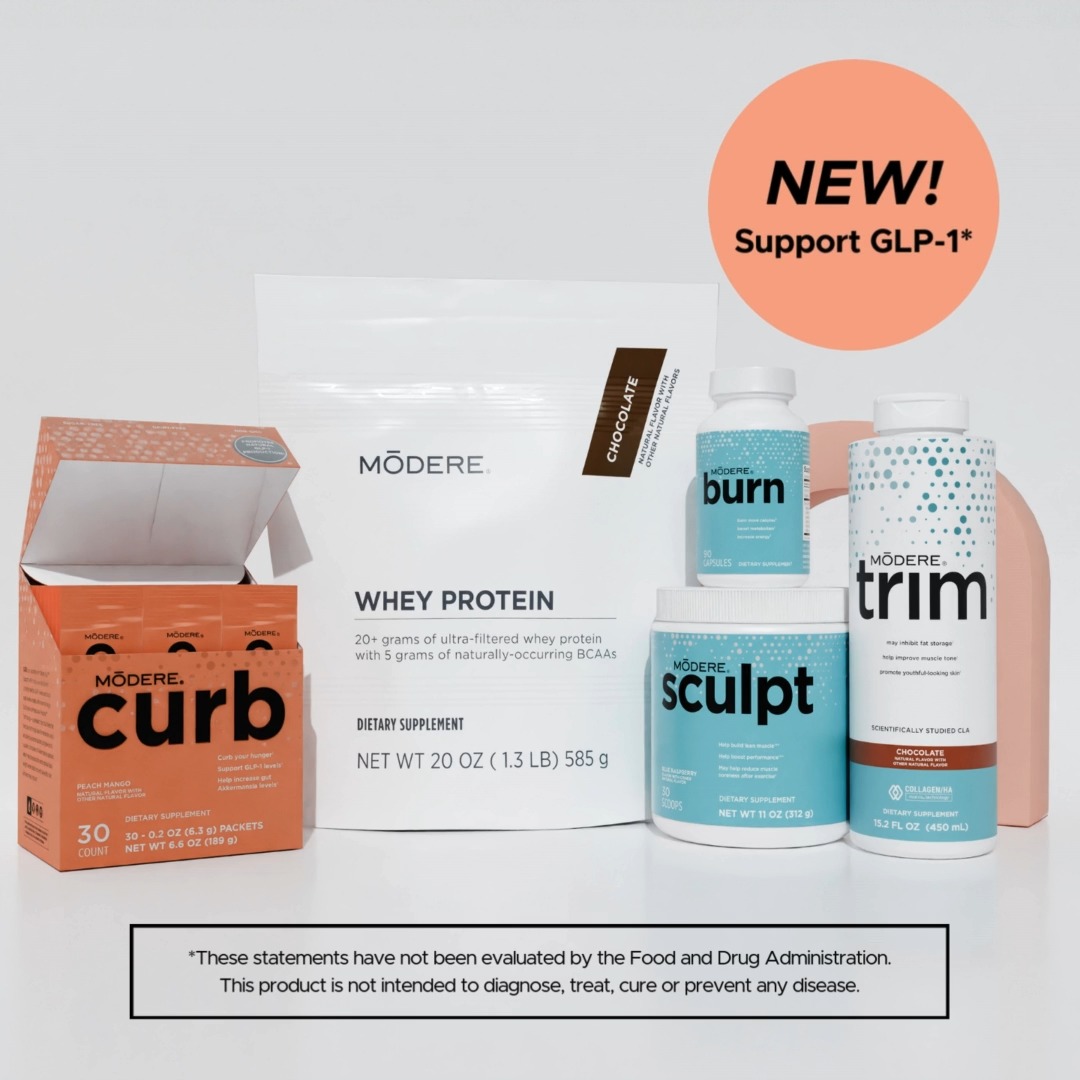
🎁 FREE GIFTS WITH PURCHASE! 🎁, The NEW Modere Body Transformation System featuring Curb is here, and there are so many ways to shop!, For complete support for healthy weight management including
20.74
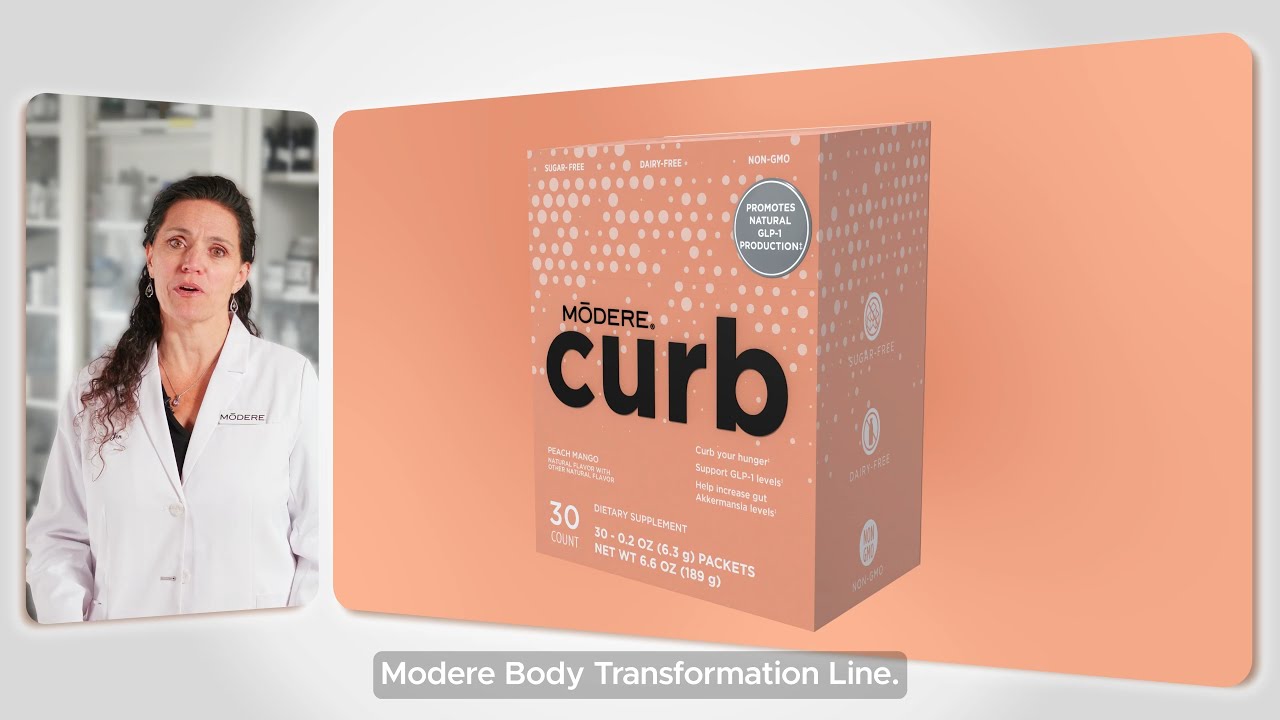
The Science of Modere Curb
28.71
Microdosing GLP-1
27.41